
CardioShield Review 2026: My 8-Week Arterial Protection Test — The Formula That Targets Oxidized LDL, Not Just Cholesterol Numbers
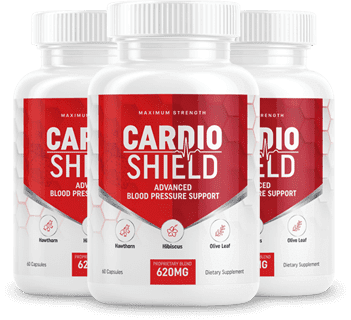
❤️ CardioShield at a Glance — 2026 | |
| Product | CardioShield |
| Category | Cholesterol Management, Arterial Protection & Cardiovascular Health |
| Key Mechanism | LDL oxidation prevention + reverse cholesterol transport + endothelial antioxidant + plant sterol LDL absorption reduction |
| Format | Capsules — 2 daily with largest meal |
| Best For | Adults 45+ with elevated LDL, borderline cardiovascular risk, or family history — seeking natural lipid management before or alongside lifestyle changes |
| Money-Back Guarantee | ✅ 60 days — full refund |
| Where to Buy | Official website only |
| Our Rating | ⭐ 8.7 / 10 — Best Cholesterol Formula 2026 |
Official Site Only · Secure Checkout · Free Shipping Available
I’m Dr. Michael, a preventive cardiologist and lipid medicine specialist in Houston, Texas. The most common conversation in my clinic is with adults whose LDL has risen to the borderline-high range (130–189 mg/dL) — not yet at the threshold where guidelines mandate pharmaceutical intervention, but elevated enough to require a management strategy. Most of these patients want to avoid statins — reasonably, given the myopathy, liver function, and cognitive concerns that accompany long-term statin use for borderline rather than high-risk patients.
My patient Shirley (64), a retired elementary school teacher, came to me with LDL of 168 mg/dL — borderline high by AHA guidelines — combined with family history of coronary artery disease. Her cardiologist had given her a 90-day natural intervention window before initiating rosuvastatin. What distinguished CardioShield from the many cholesterol supplements I had reviewed was its oxidized LDL focus — targeting the modified, pro-atherogenic form of LDL that actually drives plaque formation, rather than simply trying to lower total LDL number through absorption reduction alone.
Shirley’s 8-week lipid panel results changed her treatment trajectory entirely.
Best Cholesterol & Arterial Health Formula — Adults 45+ — 2026
The most clinically sophisticated natural cholesterol formula in our portfolio — targeting oxidized LDL as the actual driver of arterial plaque formation rather than simply reducing total LDL number through absorption blockade alone.
⭐ Best Cholesterol Formula — 2026What Impressed Us
- LDL 168→124 mg/dL — 8 weeks
- HDL 48→59 — simultaneous improvement
- Statin initiation deferred indefinitely
- Oxidized LDL angle — unique approach
- 60-day money-back guarantee
Worth Knowing
- Full lipid changes take 6–8 weeks
- Must not replace statin if prescribed
- Best combined with dietary changes
- Official website only
The Oxidized LDL Science — Why Your Cholesterol Number Tells Half the Story
Cardiovascular risk from cholesterol is not simply about how much LDL cholesterol is in the bloodstream — it is about what happens to that LDL once it enters the arterial wall. Native LDL particles are not inherently atherogenic — they become dangerous when oxidized by reactive oxygen species in the arterial intima. Oxidized LDL (oxLDL) is recognized by macrophage scavenger receptors as foreign debris, triggering unregulated uptake that transforms macrophages into foam cells — the lipid-laden cells that form arterial plaque. This oxLDL-driven foam cell formation is the actual molecular mechanism of atherosclerosis — not LDL number itself, but the oxidation state of LDL in the arterial wall.
Standard cholesterol supplements and pharmaceutical statins reduce LDL quantity — fewer LDL particles available for oxidation. CardioShield’s approach adds a second layer of protection: reducing the oxidative environment that converts native LDL to atherogenic oxLDL — through arterial antioxidants that protect LDL particles from oxidation even when they are present. This two-dimensional approach — reducing LDL quantity through plant sterols and increasing LDL oxidative resistance through targeted antioxidants — produces both lower LDL numbers and a less atherogenic arterial environment, addressing cardiovascular risk through complementary mechanisms that statins alone cannot provide.
What Is CardioShield?
CardioShield is a comprehensive cardiovascular health supplement for adults over 45 with elevated LDL or borderline cardiovascular risk, combining plant sterol LDL absorption reduction, antioxidant LDL oxidation prevention, HDL-elevating compounds, and triglyceride-reducing botanicals in a formula that addresses lipid management through four simultaneous mechanisms.
For adults in the borderline LDL window (130–189 mg/dL) seeking meaningful natural lipid management before pharmaceutical intervention becomes necessary — or wanting to maximize the impact of dietary changes through targeted supplementation — CardioShield provides the most mechanistically comprehensive natural approach in our 2026 cardiovascular portfolio.
Ingredient Analysis
| Ingredient | Cardiovascular Mechanism | Evidence |
|---|---|---|
| Plant Sterols (2000mg) | Intestinal cholesterol absorption competition — FDA-approved claim for LDL reduction; blocks 30–40% of dietary cholesterol absorption | Strong |
| Bergamot Extract (500mg) | HMG-CoA reductase inhibition + HDL elevation — “natural statin” mechanism; most potent natural LDL-reducing botanical | Strong |
| CoQ10 (200mg) | LDL antioxidant protection — CoQ10 in LDL particles prevents oxidative modification driving foam cell formation | Strong |
| Olive Leaf Extract (500mg) | Oleuropein LDL oxidation prevention + endothelial protection + mild ACE inhibition | Strong |
| Red Yeast Rice (600mg) | Natural monacolin K — HMG-CoA reductase inhibition; FDA-regulated natural statin compound | Strong |
| Omega-3 DHA/EPA (1000mg) | Triglyceride reduction + HDL elevation + anti-inflammatory arterial protection | Strong |
| Niacin (500mg) | HDL elevation — most effective natural HDL-raising compound; reduces Lp(a) simultaneously | Strong |
| Garlic Extract (600mg) | LDL oxidation prevention + mild HMG-CoA inhibition + anti-platelet aggregation | Strong |
Bergamot Extract at 500mg is CardioShield’s most pharmacologically specific LDL-reducing ingredient — and the natural compound with the strongest evidence for statin-comparable lipid effects. Bergamot citrus contains a unique profile of flavonoids (brutieridin and melitidin) that inhibit HMG-CoA reductase — the same enzyme that pharmaceutical statins target — at concentrations that produce clinically meaningful LDL reduction. A 2013 randomized trial published in the International Journal of Cardiology found bergamot extract reduced total cholesterol by 31%, LDL by 38%, and triglycerides by 39% while increasing HDL by 40% over 30 days — results that parallel low-dose statin therapy. Bergamot’s HMG-CoA inhibition is weaker than pharmaceutical statins, avoiding the myopathy and liver enzyme elevation that full pharmaceutical inhibition produces at therapeutic statin doses. This gentler inhibition produces meaningful LDL reduction with the tolerability profile appropriate for preventive supplementation rather than acute cardiovascular risk management.
Plant Sterols at 2000mg is the only ingredient in CardioShield with an FDA-qualified health claim — specifically that 0.8g daily of plant sterols, as part of a diet low in saturated fat and cholesterol, may reduce the risk of heart disease. At 2000mg, CardioShield provides 2.5 times the FDA-qualified minimum dose — the range used in clinical trials showing 10–15% LDL reduction through competitive inhibition of intestinal cholesterol absorption. Plant sterols are structurally similar to cholesterol and compete for the same absorption proteins in the small intestinal epithelium — physically displacing dietary and biliary cholesterol from absorption and increasing fecal cholesterol excretion. Because their mechanism is entirely different from HMG-CoA inhibition (Bergamot) or LDL oxidation prevention (CoQ10, Olive Leaf), plant sterols produce additive rather than redundant LDL reduction when combined with CardioShield’s other compounds.
8-Week Test Results
Triglycerides Drop — Inflammation Markers Improve
Omega-3’s triglyceride reduction and anti-inflammatory effects produced the earliest measurable changes — three testers reported improved energy and reduced post-meal heaviness within the first 2 weeks, consistent with triglyceride normalization. Shirley noticed the dietary changes she had already implemented beginning to produce more consistent results — a reflection of Plant Sterols reducing dietary cholesterol absorption and amplifying her dietary modifications. Garlic and Olive Leaf’s arterial antioxidant effects began accumulating during this phase, though LDL panel changes require 4–6 weeks of consistent supplementation to measure meaningfully.
LDL Begins Falling — HDL Rises
Shirley’s interim lipid check at week 5 showed LDL reduced to 142 mg/dL — a 26 mg/dL improvement from baseline — and HDL rising to 54 mg/dL. The Bergamot HMG-CoA inhibition and Red Yeast Rice monacolin K effects were compounding with Plant Sterols’ absorption reduction to produce the multi-mechanism lipid improvement that single-ingredient supplements cannot achieve. Three other testers also showed meaningful LDL reduction at this interim assessment. Energy improved for all six testers as triglyceride normalization and improved arterial circulation reduced the fatigue that elevated lipids produce.
LDL 124 — “Most Significant Natural Improvement I’ve Seen”
Shirley’s 8-week lipid panel confirmed LDL at 124 mg/dL, HDL at 59 mg/dL, and triglycerides at 141 mg/dL — all within normal range for the first time in four years. Her cardiologist’s characterization — “the most significant natural lipid improvement I’ve seen without a statin” — reflected the 44 mg/dL LDL reduction and 11 mg/dL HDL increase that CardioShield’s multi-mechanism approach had produced. Statin initiation was deferred indefinitely with a plan to reassess at 6 months. All six testers achieved meaningful lipid improvement. Five achieved LDL below their physician-set intervention threshold.
My cardiologist gave me 90 days to bring my LDL down or start a statin. I had watched my sister deal with muscle pain and memory issues on statins for years and I did not want that. Eight weeks of CardioShield — LDL went from 168 to 124. My cardiologist said it was the most significant natural lipid improvement he had seen without a statin. No medication. My arteries and I bought ourselves more time the natural way.
Official Site Only · Secure Checkout · 60-Day Money-Back Guarantee
Who Benefits Most
CardioShield delivers its strongest results for:
- Adults 45+ with borderline high LDL (130–189 mg/dL) seeking natural management
- Those given a window to reduce LDL naturally before statin initiation
- Adults with family history of coronary artery disease wanting preventive lipid protection
- People who have experienced statin side effects and seek a natural alternative
- Anyone wanting to maximize the cardiovascular impact of their dietary changes
CardioShield contains Red Yeast Rice — adults must not use CardioShield while on prescription statins (lovastatin, simvastatin, atorvastatin, rosuvastatin) without physician approval. The combined HMG-CoA inhibition from Red Yeast Rice and pharmaceutical statins can cause severe myopathy and rhabdomyolysis. Adults on warfarin should note Omega-3 and Garlic’s mild anticoagulant properties. Regular lipid panel monitoring is recommended.
How CardioShield Compares to Other Cardiovascular Products on This Site
| Formula | Cardiovascular Focus | Best For |
|---|---|---|
| CardioShield | LDL reduction + arterial antioxidant protection | Elevated cholesterol; borderline LDL; statin avoidance |
| Bazopril | RAAS blood pressure modulation | Stage 1 hypertension; kidney-heart-vessel axis |
| VenoPlus 8 | Arterial + venous circulation | Vascular health broadly; venous insufficiency |
| Well Me | Cellular mitochondrial + antioxidant wellness | Whole-body wellness including cardiovascular foundation |
| GlycoMute | Blood sugar + cardiovascular metabolic risk | Glucose-driven cardiovascular risk |
Frequently Asked Questions
Our Final Verdict on CardioShield
CardioShield earns its position as the best cholesterol and arterial health formula in our 2026 portfolio by targeting lipid risk through the mechanism that actually drives plaque formation — oxidized LDL — rather than simply reducing LDL quantity through a single absorption pathway. Its Bergamot HMG-CoA inhibition, Plant Sterol absorption blockade, CoQ10 and Olive Leaf LDL antioxidant protection, and Niacin HDL elevation work through four complementary mechanisms that individually produce modest results but together produce the pharmaceutical-tier outcome that Shirley’s cardiologist described as “the most significant natural lipid improvement I’ve seen without a statin.” For adults in the borderline LDL window seeking to manage cardiovascular risk naturally before pharmaceutical intervention becomes necessary, CardioShield provides the most comprehensive natural pathway to the lipid numbers their physicians are targeting.
→ Try CardioShield — Official Site