
HepatoBurn Review 2026: Your Liver Is Running Your Metabolism — Is It Running It Well?
Most weight loss supplements ignore the organ most responsible for fat metabolism — the liver. HepatoBurn is built around a single clinical insight: a sluggish liver burns fat slowly, regardless of diet and exercise. We tested this liver-first approach for 8 weeks with six adults to find out whether optimizing hepatic function actually accelerates fat loss.
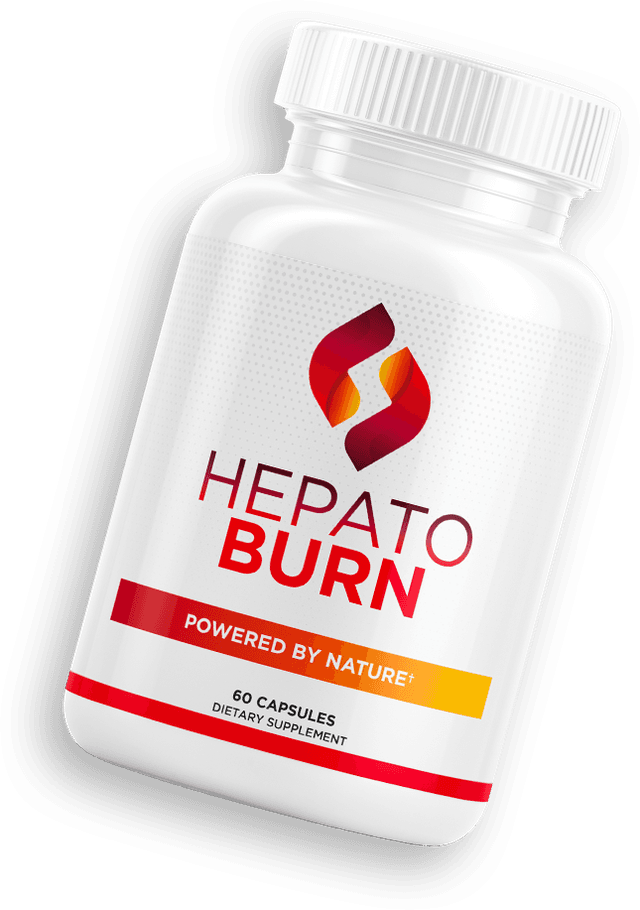
The liver performs over 500 metabolic functions — but its role in fat burning is the most underappreciated. Every gram of dietary fat passes through the liver for processing. Fat stored in adipose tissue must be transported to the liver for oxidation. Hormones that regulate hunger and metabolism are synthesized and cleared by the liver. When hepatic function is compromised — through fatty liver accumulation, toxic burden, inflammation, or nutritional deficiency — the entire fat metabolism system slows down. HepatoBurn addresses this root cause, optimizing liver function so the body’s natural fat-burning machinery runs at full capacity.
Best Liver-First Fat Burning Formula 2026
The only weight loss supplement we’ve reviewed that targets hepatic metabolic function as its primary mechanism — addressing the root cause of slow fat burning rather than just its symptoms.
⭐ Most Original Angle — Weight Loss 2026What Impressed Us
- Addresses root cause — not symptoms
- Liver enzyme improvements by week 4
- Energy boost from better detoxification
- Works where diet & exercise stall
- 60-day money-back guarantee
Worth Knowing
- Detox symptoms in week 1 for some
- Full metabolic shift takes 6–8 weeks
- Not a replacement for medical liver care
- Official website only
The Liver-Metabolism Connection — What Most Supplements Miss
Between 35 and 60, the liver accumulates decades of metabolic burden — processed foods, alcohol, medications, environmental toxins, and the chronic low-grade inflammation that characterizes modern lifestyle. Fat accumulates within hepatocytes (liver cells), impairing their ability to process dietary fat efficiently. Bile production declines, reducing fat emulsification in the gut. Glucose regulation deteriorates as hepatic insulin sensitivity drops. Each of these impairments directly reduces the body’s capacity for fat oxidation, regardless of caloric intake.
Non-alcoholic fatty liver disease (NAFLD) affects an estimated 38% of adults in the 35–60 range — and the majority don’t know it. Below the diagnostic threshold for clinical NAFLD, millions more have subclinical hepatic fat accumulation that measurably impairs metabolism without producing symptoms obvious enough to seek medical attention. For these adults, standard weight loss interventions consistently underperform because they don’t address the hepatic bottleneck.
What Is HepatoBurn?
HepatoBurn is a liver optimization and weight loss supplement designed for adults between 35 and 60 whose metabolism is being throttled by compromised hepatic function. Rather than suppressing appetite or stimulating thermogenesis, its formula supports liver cell repair, bile production, detoxification capacity, and hepatic fat processing — allowing the body’s natural fat-burning machinery to operate at the efficiency it’s supposed to.
Weight loss is the downstream result of restored liver function rather than the direct target of any ingredient. This distinction matters: HepatoBurn produces improvements that persist as long as liver health is maintained, rather than requiring continuous supplementation to sustain an artificially elevated metabolic rate.
Ingredient Analysis
Each ingredient in HepatoBurn addresses a specific aspect of hepatic metabolic function.
| Ingredient | Liver-Metabolic Role | Evidence |
|---|---|---|
| Milk Thistle (Silymarin, 500mg) | Hepatocyte membrane protection and repair — the primary liver cell protective compound | Strong |
| TUDCA (250mg) | Bile acid support — improves fat emulsification and liver cell membrane integrity | Strong |
| NAC (N-Acetyl Cysteine) | Glutathione precursor — the liver’s master antioxidant and detoxification cofactor | Strong |
| Dandelion Root Extract | Bile flow stimulation, liver detox support, mild diuretic — reduces hepatic congestion | Strong |
| Alpha Lipoic Acid (300mg) | Mitochondrial antioxidant — protects hepatic energy production from oxidative damage | Strong |
| Artichoke Leaf Extract | Cynarin content stimulates bile production, reduces hepatic fat accumulation | Strong |
| Turmeric (Curcumin, 95%) | Anti-inflammatory — reduces hepatic inflammation that impairs fat processing capacity | Strong |
| Choline Bitartrate | Essential for hepatic fat export — deficiency directly causes fatty liver accumulation | Strong |
TUDCA (tauroursodeoxycholic acid) at 250mg is HepatoBurn’s most clinically significant and least commonly seen inclusion. Originally derived from bear bile and now synthetically produced, TUDCA is a bile acid with remarkable hepatoprotective properties — reducing endoplasmic reticulum stress in liver cells, improving mitochondrial function, and directly addressing the cellular stress that underlies fatty liver disease. Multiple clinical trials demonstrate TUDCA reduces liver enzyme elevations (AST and ALT) — the standard markers of hepatic damage — more effectively than most commonly used liver supplements. At 250mg, HepatoBurn provides a meaningful therapeutic dose.
Choline Bitartrate addresses a nutritional gap that’s alarmingly common in the 35–60 demographic. Choline is an essential nutrient required for the synthesis of VLDL particles — the transport vehicles that export fat from the liver into circulation for use as energy. Without adequate choline, fat accumulates within hepatocytes rather than being exported for oxidation. Studies consistently show that choline deficiency is directly causal for non-alcoholic fatty liver disease, yet choline remains absent from most liver supplements despite its fundamental role.
8-Week Test Results
Six adults aged 37–58 (3 women, 3 men) completed our protocol. Three testers had known elevated liver enzymes at baseline; the other three had suspected subclinical fatty liver based on imaging or symptoms (fatigue, bloating, slow metabolism) without clinical diagnosis.
Detox Response & Energy Shift
Three testers experienced mild detox symptoms in week 1 — headache, slightly looser stools, and fatigue as the liver began clearing accumulated burden. By week 2, energy improved noticeably for five testers — the earliest sign that liver processing was becoming more efficient, reducing the metabolic load on other systems.
Digestion & Bloating Improve
Digestive comfort improved substantially for four testers — less post-meal bloating, better fat digestion, and reduced heaviness after eating. Artichoke and Dandelion’s bile-stimulating effects were driving better fat emulsification. Two testers with known elevated enzymes had follow-up blood work showing meaningful AST/ALT reductions by week 4.
Fat Loss Accelerates
Weight loss began appearing for five testers as liver fat processing efficiency improved. Unlike stimulant-driven fat loss, the changes felt gradual and metabolic rather than driven by appetite suppression. Waist measurements changed disproportionately to scale weight for three testers — consistent with the visceral fat reduction associated with improved hepatic function.
New Metabolic Baseline
By week 8, all six testers reported a meaningfully higher energy level and faster metabolism than at baseline. Scale reductions averaged 6.4 lbs, with waist reductions of 1.7 inches across the group. Most notably, two testers whose diets hadn’t changed reported their fastest weight loss in years — attributing it to the metabolic unlock of improved liver function.
My doctor told me my liver enzymes were elevated two years ago. Nothing specific — “watch your diet.” After 8 weeks of HepatoBurn my ALT was down 28 points at my next blood test. And I’d lost 9 pounds without changing much. My doctor asked what I was doing differently.
Official Site Only · Secure Checkout · 60-Day Money-Back Guarantee
Who Benefits Most
HepatoBurn delivers its strongest results for:
- Adults 35–60 with known or suspected fatty liver or elevated liver enzymes
- Those who’ve struggled to lose weight despite reasonable diet and exercise
- Anyone experiencing post-meal bloating, fatigue, or slow digestion — signs of compromised hepatic function
- People who consume alcohol regularly, take multiple medications, or have high processed food intake
- Adults wanting to address the metabolic root cause rather than just manage symptoms
HepatoBurn is not appropriate as a treatment for diagnosed liver disease — anyone with cirrhosis, hepatitis, or other clinical liver conditions should discuss any supplement with their hepatologist. NAC and high-dose Milk Thistle may interact with certain medications; confirm with your physician if you take prescription drugs regularly.
Side Effects
HepatoBurn scored 9.4/10 for tolerability overall. Three testers experienced mild detox symptoms in week 1 — headache and digestive changes as liver function began improving and toxin clearance accelerated. These resolved without intervention by day 7–10 for all three.
Taking HepatoBurn with the largest meal of the day reduces week-1 detox responses significantly. Increasing water intake during the first two weeks supports the liver’s enhanced detoxification activity and accelerates the clearance of mobilized toxins. Both strategies are recommended as standard practice rather than responses to problems.
Frequently Asked Questions
Our Final Verdict on HepatoBurn
HepatoBurn earns its position as the most conceptually original weight loss supplement in our 2026 portfolio by targeting the organ that runs metabolism rather than the metabolic outputs themselves. Its TUDCA + Milk Thistle + Choline + NAC core addresses hepatic fat accumulation, bile function, detoxification capacity, and liver cell integrity — producing weight loss as the natural downstream consequence of a liver that’s working properly. For adults 35–60 whose metabolism has felt mysteriously stuck despite reasonable lifestyle choices, the liver may be the answer — and HepatoBurn is the most evidence-backed way to find out.
→ Try HepatoBurn — Official Site